Trump Imposes 30% Tariffs on European Union and Mexico, Escalating Global Trade Tensions
 Daily Updates News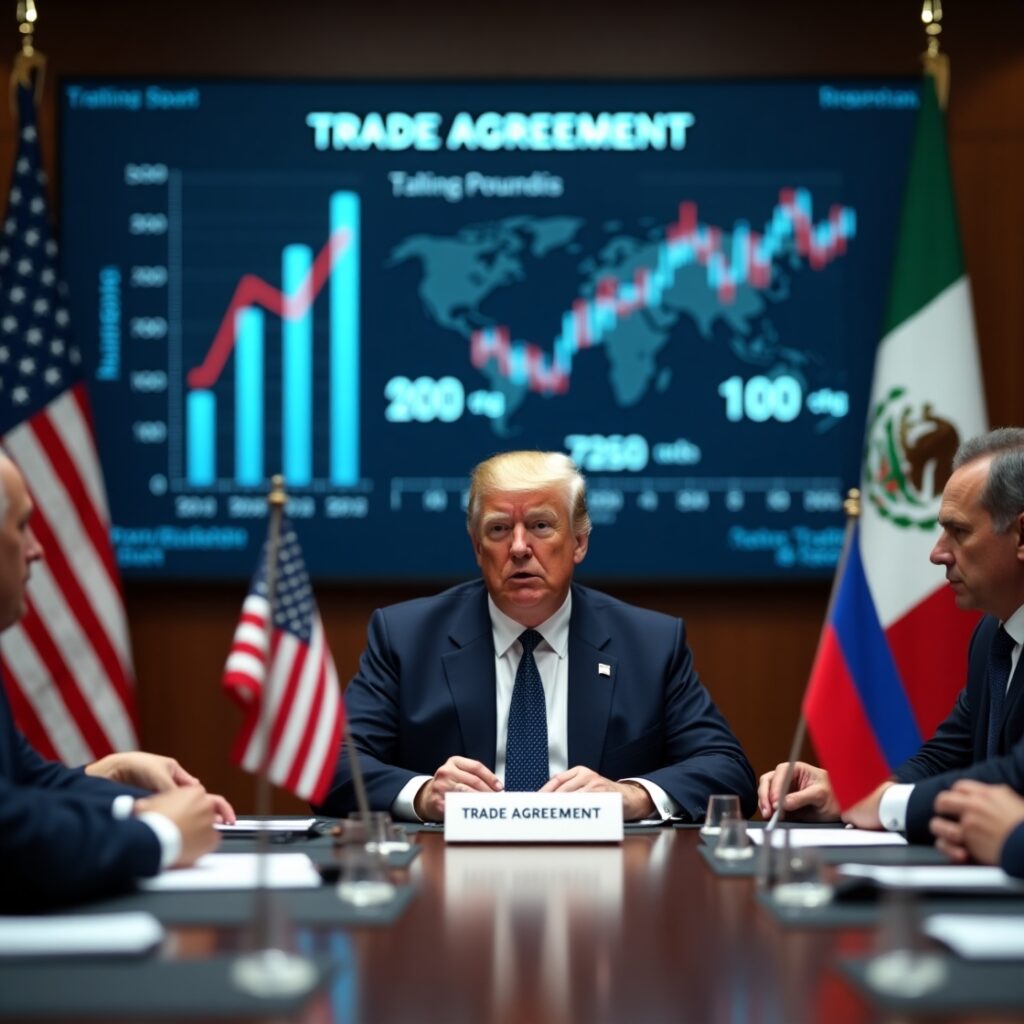
Delegates from the United States, European Union, and Mexico engage in tense trade negotiations as President Trump imposes new tariffs on key allies.
In a bold and controversial move, former U.S. President Donald Trump announced the implementation of 30% tariffs on imports from the European Union and Mexico. The decision, unveiled through official letters shared via his social media account, marks a significant escalation in global trade tensions and signals a key strategy in Trump’s ongoing 2024 presidential campaign. While these measures have stirred concern among U.S. allies and economists, Trump insists the tariffs are necessary to correct long-standing trade imbalances and protect American industries.
Trump Targets Major Trade Partners
The European Union and Mexico stand among the United States’ largest trading partners. According to data from the Office of the U.S. Trade Representative, goods imported from the EU reached $553 billion in 2022 alone. By targeting these key economies, Trump has sent a clear message about his administration’s trade priorities, aimed at reshaping the international economic landscape to favor U.S. interests.
In his letter addressed to Mexico’s leadership, Trump acknowledged the country’s cooperation in tackling illegal immigration and fentanyl trafficking but criticized it for not doing enough to prevent North America from turning into what he termed a “Narco-Trafficking Playground.” Despite Mexico’s efforts to assist with border security, Trump argued that further action is required, justifying the imposition of steep tariffs.
Similarly, in a message to the European Union, Trump claimed that the U.S. trade deficit posed a national security threat. He accused the EU of maintaining persistent and unfair trade practices, including tariffs and non-tariff barriers, which he said had harmed American businesses and workers for decades.
A Core Pillar of Trump’s 2024 Campaign
The move is part of Trump’s broader economic agenda as he campaigns for a return to the White House in 2024. Tariffs and aggressive trade policies have long been a cornerstone of Trump’s economic strategy, aimed at protecting domestic industries and reducing the U.S. trade deficit. He asserts that by reworking trade agreements and applying economic pressure on trading partners, the U.S. can rebuild its manufacturing base and secure a more prosperous future for American workers.
However, critics argue that tariffs often backfire, raising prices for American consumers and straining relationships with key allies. Many trade experts caution that prolonged tariff disputes could trigger retaliatory measures, disrupt global supply chains, and slow economic growth.
Trade Talks Struggle to Keep Pace
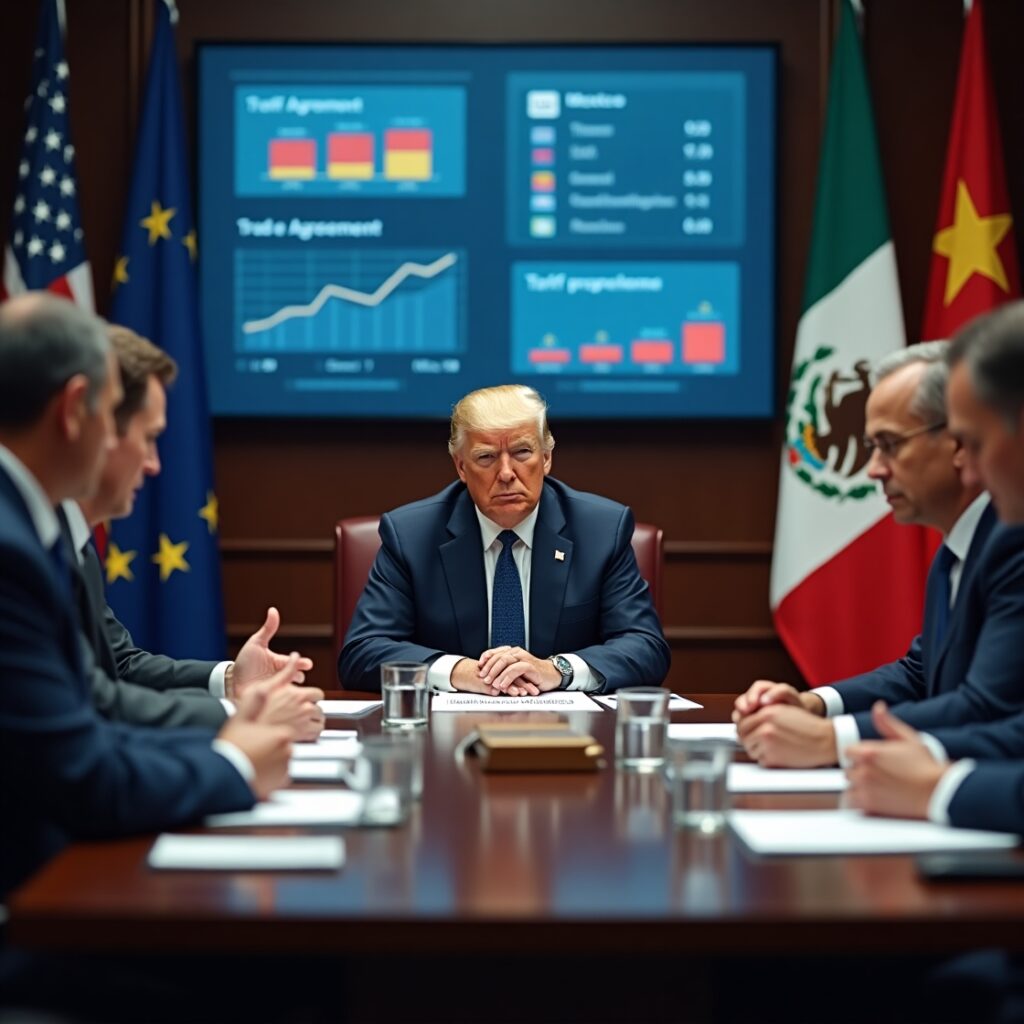
Efforts to negotiate trade deals with the European Union have been ongoing for months. EU Chief Trade Negotiator Maros Sefcovic expressed optimism earlier this week, suggesting a deal to avoid increased tariffs might be achievable soon. However, Trump’s new announcement complicates those efforts.
Back in April, Trump had proposed a 20% tariff on EU goods, later threatening to increase it to 50% when talks did not progress at his desired pace. While the two sides had agreed to suspend higher tariffs to allow negotiations to continue, the sudden imposition of a 30% rate on Saturday has added fresh urgency to the discussions.
Sefcovic noted that while the EU had narrowly avoided the proposed increases earlier in the week, there’s a risk of further escalation if a deal isn’t reached promptly. The European bloc, which collectively exports more to the U.S. than any other region, is now considering its response, including possible retaliatory measures.
Expert Opinions: A Risky Strategy
Douglas Holtz-Eakin, a respected economist and former director of the Congressional Budget Office, weighed in on Trump’s decision. He argued that rather than fostering meaningful trade discussions, Trump’s letters seem designed to attract attention and exert unilateral pressure on other nations.
Holtz-Eakin pointed out that many countries have begun informal discussions about minimizing their economic dependence on the U.S., viewing Trump’s unpredictable tariff policy as a destabilizing force. He noted that while Trump positions the tariffs as a tool to revive the U.S. economy, they essentially function as taxes on American citizens, raising the cost of imported goods.
Conclusion
As Trump ramps up his trade war tactics, the global economic landscape faces increased uncertainty. While his supporters view the tariffs as a necessary step to safeguard American interests, critics warn of potential fallout, including strained diplomatic ties and rising consumer prices.
With high-stakes trade talks still underway and further retaliatory actions possible, the coming weeks will be crucial in determining the long-term impact of Trump’s tariff strategy. Whether these measures lead to more balanced trade agreements or provoke damaging economic conflict remains to be seen.