Daily Updates News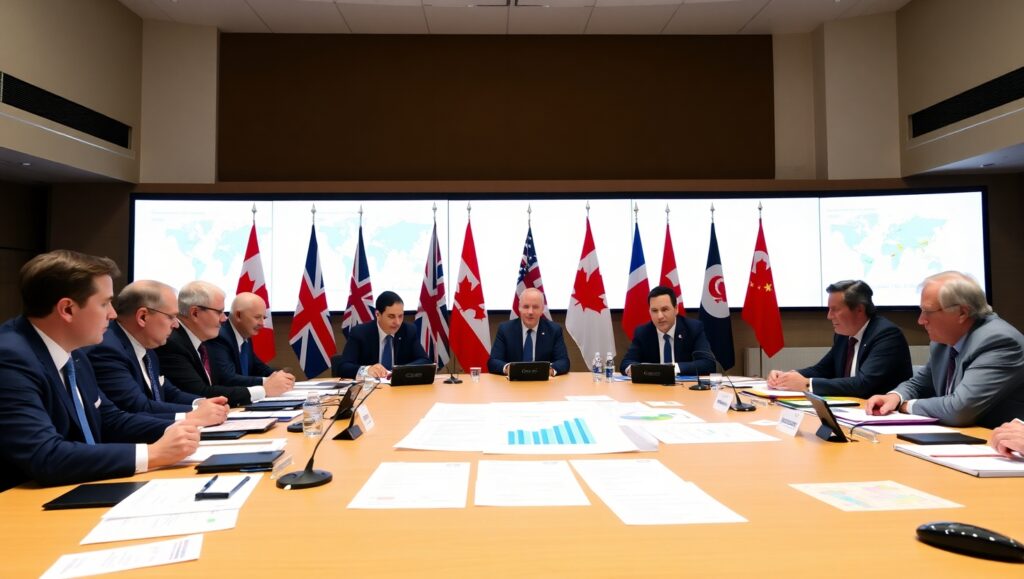
In a major shift in international tax policy, the Group of Seven (G7) nations have reached an agreement to exempt US-based multinational corporations from key elements of the global minimum tax framework. This agreement introduces a new “side-by-side” taxation model, offering significant relief to American and British firms alike.
According to reports, the updated approach allows US companies to be taxed solely under American law for both domestic and international earnings, rather than being subject to additional top-up taxes in other jurisdictions. This move aligns with existing US tax rules, particularly the domestic minimum tax, and effectively excludes these firms from the OECD’s Income Inclusion Rule (IIR) and the Undertaxed Profits Rule (UTPR).
The announcement, made by Canada—currently holding the G7 presidency—emphasised that this decision is aimed at enhancing global tax certainty and ensuring a more stable international tax environment.
This progress follows the United States’ decision to scrap Section 899, a disputed clause from former President Donald Trump’s tax proposal. The clause would have imposed retaliatory taxes on foreign companies operating in the US, a provision that had been a sticking point in previous negotiations.
Observers say the agreement represents a major compromise that could reshape how large multinational companies are taxed globally, while also smoothing over recent transatlantic tensions around tax equity and jurisdictional rights.