Iran, Israel, and Trump: Why the US-Israel Alliance Faces New Challenges Amid Rising Tensions
 Daily Updates News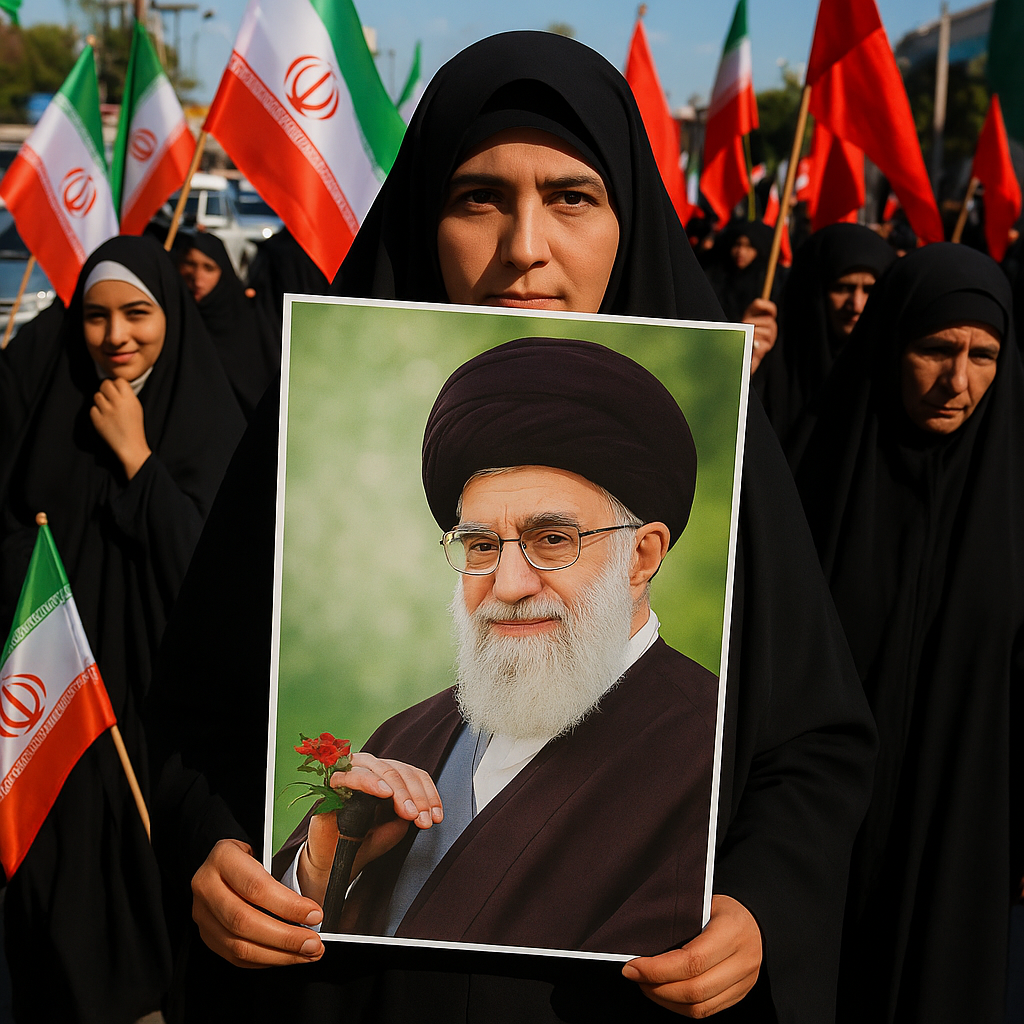
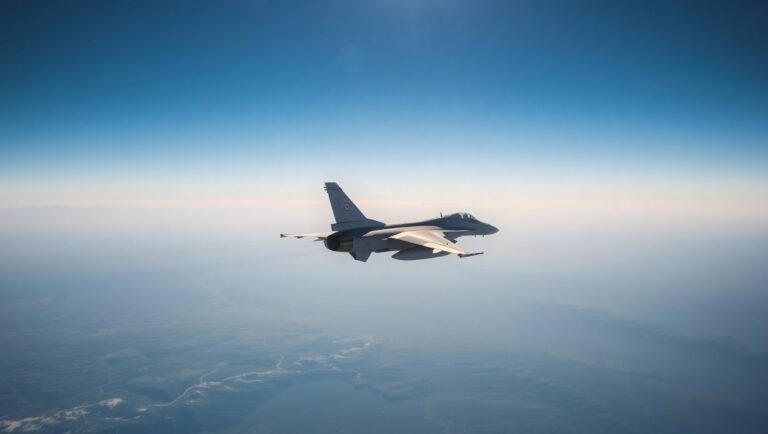
The Middle East is once again on a knife’s edge. The recent Israeli strikes on Iran’s nuclear facilities have triggered a volatile response from Tehran, escalating fears of a broader regional war. Into this dangerous mix steps former US President Donald Trump — a figure whose policies have long polarized the international stage.
Trump’s decision to intervene has added fresh complications. While Washington’s official stance remains cautious, Trump’s vocal backing of Israel’s actions marks a stark departure from his earlier America First rhetoric. Interestingly, this move hasn’t just drawn criticism from the usual Democratic opposition but has also sparked unease within segments of his MAGA loyalists.
Many within his conservative base champion non-interventionist principles and question the wisdom of becoming entangled in another Middle Eastern conflict. Trump’s political gamble thus risks splintering his own support as election campaigns heat up.
For US allies like Saudi Arabia and the UAE, Trump’s stance signals possible shifts in regional alignments. And for Iran — already reeling from economic sanctions and internal unrest — this latest development deepens its geopolitical isolation.
As the world watches closely, Trump’s Middle East maneuver may reshape alliances, trigger unforeseen conflicts, and set new fault lines in an already unstable region.


Hi, this is a comment.
To get started with moderating, editing, and deleting comments, please visit the Comments screen in the dashboard.
Commenter avatars come from Gravatar.