Daily Updates News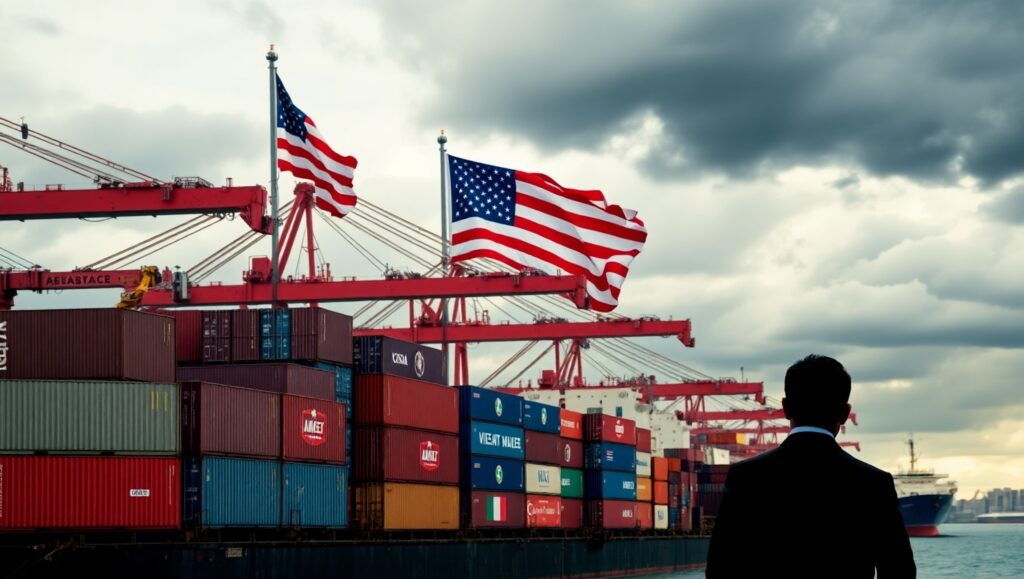
In a move that signals a fresh escalation in global trade tensions, President Donald Trump announced that the United States will begin sending letters to multiple countries on Monday, setting new tariff rates on their imports.
Why It Matters:
After months of relative calm in the trade war arena, this development could rattle international markets and disrupt business certainty once again. European stocks and U.S. futures already dipped following the news, suggesting traders are bracing for renewed volatility.
The Details:
Speaking aboard Air Force One late Friday, Trump revealed that about a dozen letters would be dispatched. While he did not name specific countries, earlier reports suggest nations like South Korea and Thailand may be on the list. The new tariff rates, which could soar as high as 70%, are set to take effect from August 1.
However, the move may be more of a bargaining tactic than an immediate trade shift. The administration has previously announced tariffs only to delay or soften them after receiving last-minute offers from trading partners. Similar dynamics could play out again, giving countries time to strike deals.
Background:
Trump initially imposed a sweeping global tariff plan in April, only to scale it back days later. The White House had promised “90 trade days in 90 days,” but finalized just three deals—with the UK, China, and Vietnam.
What’s Next:
Some nations, like China and Canada, face separate deadlines later in July or August. Treasury Secretary Scott Bessent recently hinted that these dates are flexible, with the broader goal of wrapping up trade negotiations by Labor Day.
Bottom Line:
Trump’s latest tariff threat revives uncertainty in global trade, with businesses and investors closely watching how international players respond.