Daily Updates News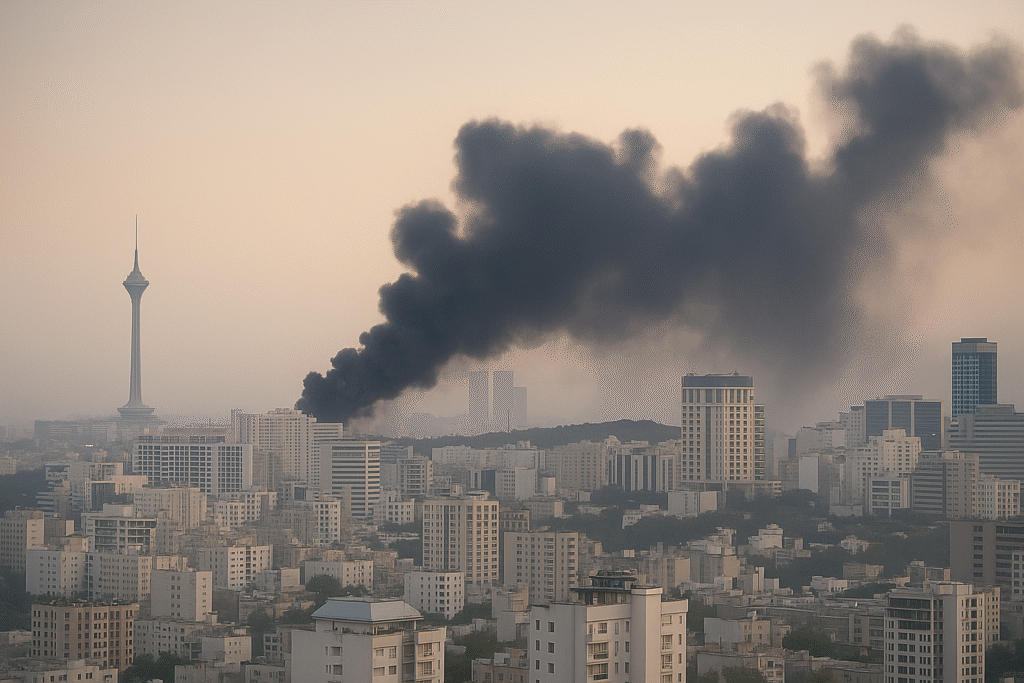
As tensions flare in the Middle East, many are now asking a troubling question: Has former U.S. President Donald Trump set in motion the start of yet another ‘forever war’? The phrase, often used to describe America’s long, costly, and unresolved military engagements in Iraq and Afghanistan, is resurfacing in policy discussions and international media.
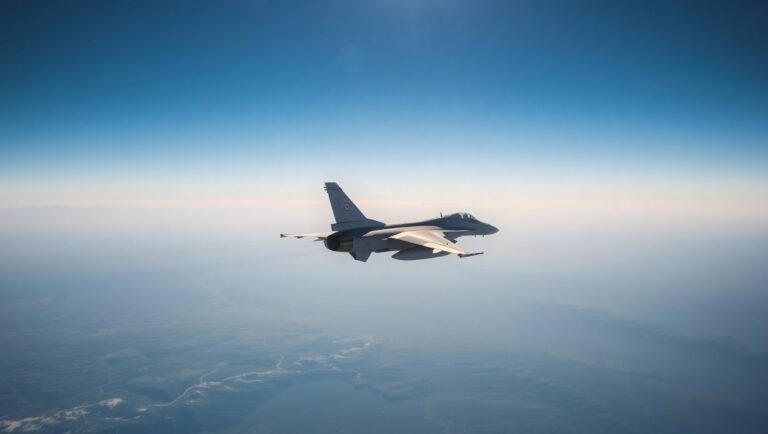
Recent U.S. airstrikes against Iranian military targets, reportedly backed by Trump’s influence in Washington’s political circles, have alarmed analysts and diplomats alike. While Trump is no longer in office, his vocal calls for aggressive policy against Tehran and pressure on allies have seemingly shaped the current administration’s hardline stance.
A History of Endless Wars:
Since the early 2000s, the U.S. has found itself entangled in prolonged conflicts across the Middle East, with devastating human and financial costs. Critics argue that Trump’s provocative decisions during his presidency—such as withdrawing from the Iran nuclear deal and ordering the assassination of Iranian General Qassem Soleimani—destabilized the region further. These actions, some fear, laid the groundwork for today’s spiraling tensions.
Is the Pattern Repeating?
With missile exchanges, proxy attacks, and now direct airstrikes reappearing on the headlines, many fear history is repeating itself. Military experts warn that such escalations are notoriously difficult to contain and could easily drag U.S. forces into yet another protracted conflict with no clear exit strategy.
The Global Consequences:
An open conflict between the U.S. and Iran would not remain confined to the two nations. Regional powers like Israel, Saudi Arabia, and Turkey could be drawn in, while global oil markets and diplomatic relations would suffer. This makes the specter of a new ‘forever war’ not just an American concern, but a global one.
Final Thought:
Whether or not the latest hostilities evolve into a lasting conflict, the echoes of past missteps are unmistakable. As the world watches closely, policymakers must decide whether to pursue a path of diplomacy or risk falling into another endless war — a cycle history has already shown to be ruinous.