Gaza Ceasefire Talks Struggle as Disputes Over Israeli Troop Withdrawal Stall Progress
 Daily Updates News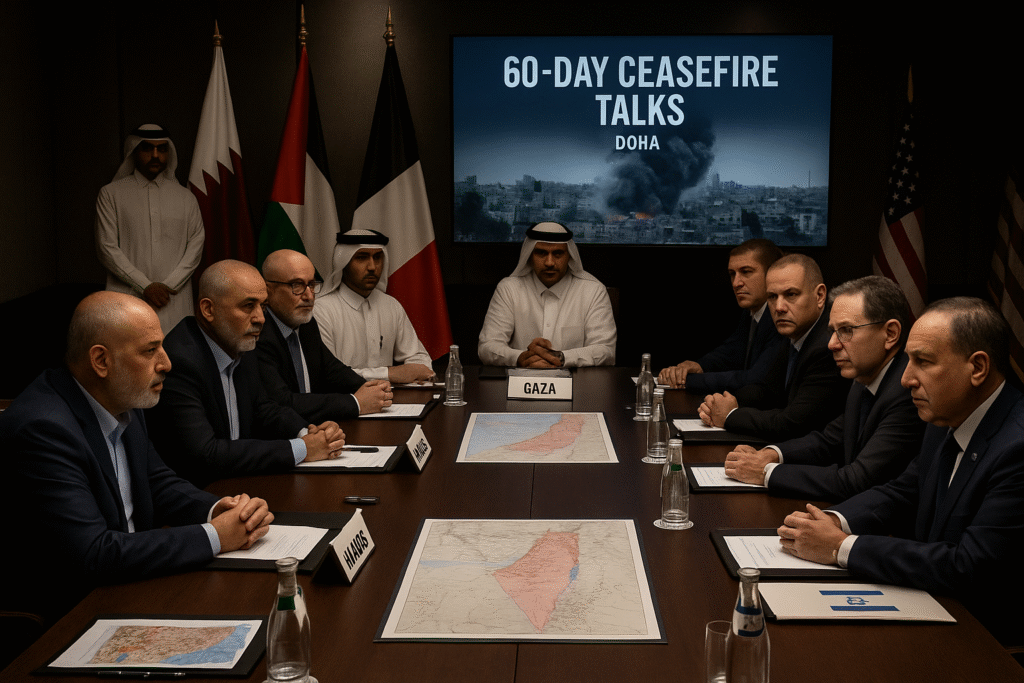
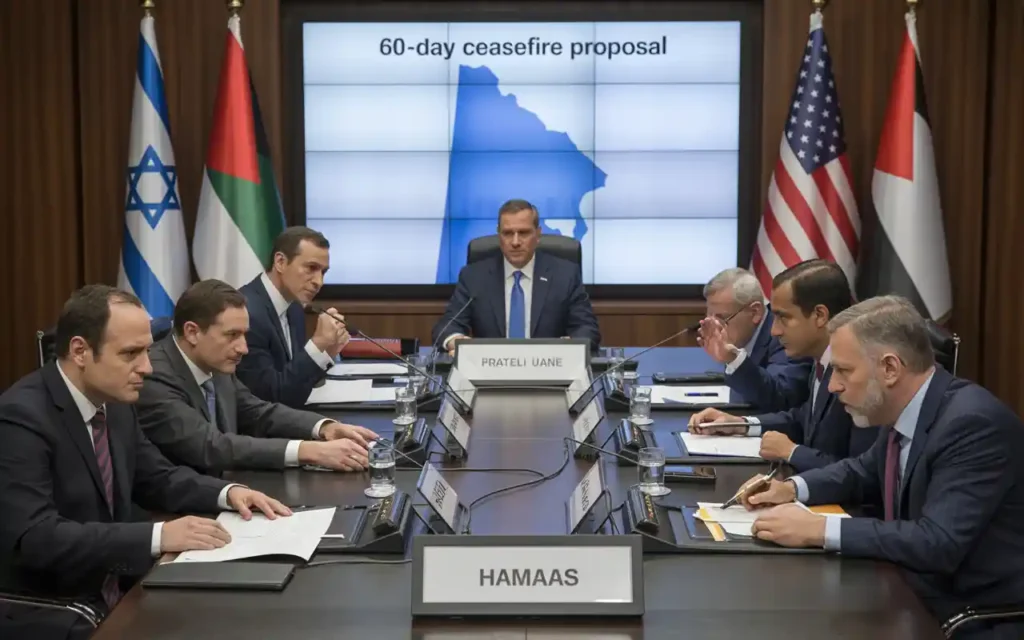
Israeli, Palestinian, and Qatari delegates meet in Doha for critical ceasefire negotiations as the Gaza conflict continues.
Efforts to bring an end to the ongoing conflict between Israel and Hamas in Gaza have hit a serious roadblock as negotiations continue in Doha, Qatar. Delegations from both sides have been engaged in indirect talks since last Sunday, aiming to agree on a ceasefire and roadmap for peace. However, significant disagreements over Israeli military withdrawal plans from the Gaza Strip have slowed progress, raising concerns that the violence and humanitarian crisis will persist for weeks to come.
According to sources closely following the discussions, a proposal backed by the United States, which calls for a phased ceasefire lasting 60 days, has been tabled. This plan includes provisions for the release of remaining hostages, a gradual withdrawal of Israeli forces, and talks towards permanently ending the war. While both parties have expressed interest in reaching a deal, critical differences over territorial control and security guarantees remain unresolved.
Territorial Disputes Derail Progress
A major sticking point in the negotiations is the extent of Israeli troop withdrawal from Gaza. Palestinian officials familiar with the talks revealed that Hamas has outright rejected the maps proposed by Israel. These maps reportedly leave around 40% of the Palestinian territory, including southern Rafah and portions of northern and eastern Gaza, under continued Israeli military presence.
Hamas insists that Israeli forces must return to the positions they held before resuming operations in March this year. Two Israeli officials confirmed this demand but expressed concerns over security risks if those areas were vacated prematurely.
One Palestinian negotiator noted that discussions over humanitarian aid deliveries and firm guarantees for a permanent end to hostilities were equally challenging. Without credible assurances and international oversight, Palestinian representatives argue that any temporary ceasefire would likely collapse, leading to renewed violence.
International Pressure Mounts
In a sign of growing urgency, the White House announced on Monday that President Trump’s envoy, Steve Witkoff — instrumental in drafting the latest peace proposal — will travel to Doha this week to help mediate the stalled negotiations. U.S. officials are hoping Witkoff’s presence will ease tensions and encourage both parties to find common ground.
The Biden administration has also reiterated its support for an immediate humanitarian ceasefire to allow vital aid into Gaza and facilitate the safe release of hostages. Over two million Palestinians remain displaced, and the region faces a deepening humanitarian crisis with limited access to food, water, and medical supplies.
Tense Standoff Since October 2023
The war erupted on October 7, 2023, when Hamas-led militants crossed into Israel, killing approximately 1,200 people and taking 251 hostages back to Gaza. Since then, Israel’s retaliatory campaign has killed more than 57,000 Palestinians, according to Gaza’s health ministry, while destroying much of the enclave’s infrastructure.
Of the original hostages, around 50 remain in captivity. Israeli authorities believe at least 20 are still alive, though their conditions remain unknown. Israel has made it clear that the war will not cease until all hostages are freed and Hamas’s military capabilities are dismantled.
On the other hand, Hamas maintains that a full and unconditional end to the war is a prerequisite for the release of any remaining captives.
What Lies Ahead?
While both delegations are expected to remain in Qatar for further discussions, expectations for an imminent breakthrough appear slim. Analysts suggest that only heightened international diplomatic intervention, particularly from the United States and regional players, could salvage the talks.
Human rights groups and aid organizations have also voiced growing alarm at the situation in Gaza, calling for an urgent ceasefire to prevent further civilian casualties and displacement.
As negotiations drag on and lives continue to be lost, the people of Gaza and southern Israel remain trapped in a devastating conflict with no clear end in sight.
Conclusion
The fragile and complex ceasefire negotiations in Doha reflect the deep-rooted tensions between Israel and Hamas. While the global community hopes for a peaceful resolution, the current deadlock over Israeli military withdrawals threatens to prolong one of the region’s most destructive conflicts in decades. All eyes will remain on Qatar in the coming days as mediators work tirelessly to bridge the widening gap and push for a ceasefire that could finally bring relief to millions caught in the crossfire.