Daily Updates News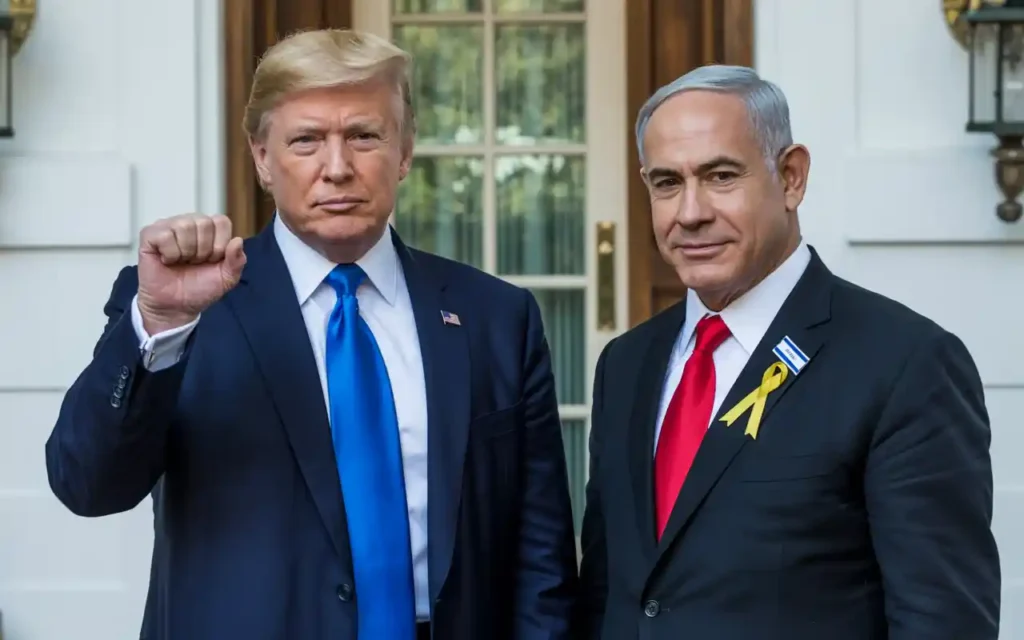
US President Donald Trump meets Israeli Prime Minister Benjamin Netanyahu at the White House to discuss an urgent Gaza ceasefire agreement amid ongoing conflict.
In a significant turn of diplomatic events, United States President Donald Trump met Israeli Prime Minister Benjamin Netanyahu for an unscheduled meeting at the White House. The talks, held within 24 hours of their previous encounter, centered around the escalating conflict in Gaza and ongoing efforts to broker a ceasefire agreement. While hopes of progress have been voiced by officials on both sides, the details remain closely guarded, raising questions about what obstacles still stand in the way of halting the violence.
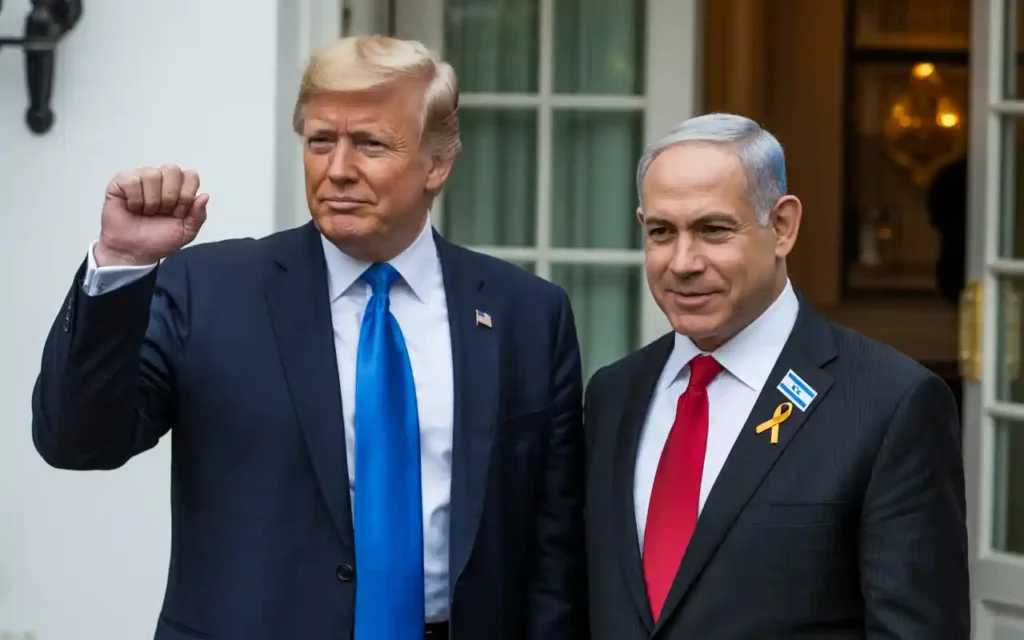
The recent meeting between Trump and Netanyahu took place on Tuesday evening and lasted just over an hour. No members of the media were allowed, and official statements following the session were notably limited. The discussions came as Israeli military operations in Gaza continued, resulting in the deaths of at least 95 Palestinians that day alone.
This was Netanyahu’s third visit to the US since Trump began his second term, underlining the intensity of diplomatic efforts between the two allies amid the Middle East crisis. Ahead of the talks, Trump made it clear that Gaza was the sole focus. “We’ve got to get that solved. It’s a tragedy, and both sides want to resolve this,” he stated.
According to Al Jazeera’s Washington correspondent Mike Hanna, the highly confidential nature of the discussions suggested potential complications. “The complete lack of a readout and the tight-lipped approach indicate there might be sensitive issues yet to be resolved,” Hanna reported.
In a parallel development, Trump’s special envoy to the Middle East, Steve Witkoff, expressed optimism earlier in the day. He suggested that negotiations were nearing completion, with major sticking points reduced from four to one. Witkoff voiced hope that a ceasefire lasting at least 60 days could be reached by the end of the week, involving the release of hostages and deceased captives held in Gaza.
However, Netanyahu appeared cautious in his subsequent remarks. During a meeting with US House leadership, he insisted that Israel’s campaign was far from over. “We still need to dismantle Hamas’s military structure and secure the release of all our hostages,” Netanyahu declared.
Adding complexity to the situation, reports emerged about Israel’s controversial plan for Gaza, which includes establishing a tent city in Rafah for displaced Palestinians. Critics argue that this could be a step toward forced displacement of Gaza’s residents, a claim the Israeli government denies. International observers and human rights groups have warned that such actions could constitute a serious humanitarian crisis.
Analysts suggest that Trump is facing growing pressure to broker a deal, while Israeli officials remain determined to maintain control over key areas in Gaza. Meanwhile, Steve Witkoff’s planned visit to Doha, aimed at finalizing ceasefire terms, was reportedly delayed, fueling speculation of unresolved disagreements.
Conclusion:
As the conflict in Gaza shows no signs of immediate resolution, the diplomatic efforts led by Trump and Netanyahu have become pivotal. While optimism exists for a ceasefire, the path forward remains uncertain amid complex political and military dynamics. The international community continues to watch closely, hoping for a breakthrough that might finally bring relief to the embattled region.